
“`html
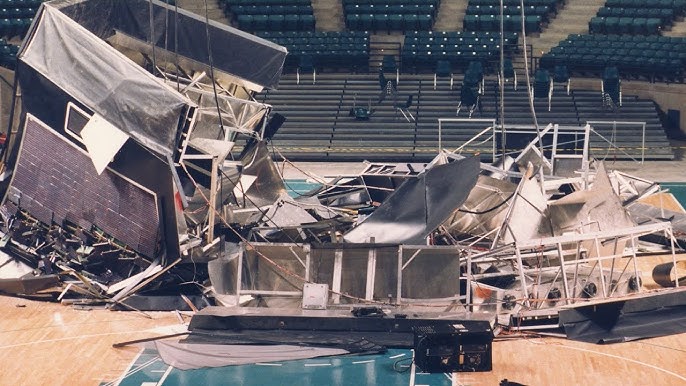
SCOREBOARD MELTDOWN: Chaos Erupts in Sports World
Introduction
Ever felt that gut-wrenching moment when your favorite team is on the cusp of victory, only for a controversial call to snatch it all away? Or perhaps witnessed a game descend into complete disarray due to a blatant officiating blunder? If so, you’re not alone. The world of sports, a realm we often see as a sanctuary of fair play and thrilling competition, has been increasingly plagued by a concerning phenomenon: the “scoreboard meltdown.”
These aren’t just minor hiccups or isolated incidents; they’re systemic failures that threaten the very integrity of the games we love. From glaring officiating errors that alter the outcome of pivotal matches to technological glitches that sow confusion and distrust, the scoreboard is no longer the reliable source of truth it once was. This isn’t just about complaining about bad calls; it’s about understanding how these failures erode trust, impact careers, and ultimately, change the landscape of sports.
The Short-Term Sting: Beyond the Lost Game
The immediate repercussions of a “scoreboard meltdown” are obvious. A wrongly awarded point, an incorrect penalty call, or a delayed replay decision can instantly change the trajectory of a game, costing a team a crucial win and devastating players who have poured their heart and soul into their performance. But the consequences go much deeper than just a loss on the record.
Imagine being a young athlete whose dreams hinge on a scholarship. A single missed call in a crucial tournament game could derail that entire future. Or consider the professional player whose contract renewal depends on their performance statistics, all of which are now potentially tainted by unreliable officiating. These short-term impacts can have lasting, life-altering consequences.
Moreover, these events can ignite fan outrage. The rise of social media has amplified the volume of discontent, turning local controversies into global scandals overnight. Angry fans can lead to boycotts, declining viewership, and a loss of revenue for leagues and teams. We saw this play out recently in a high-profile basketball game where a missed foul call in the final seconds led to a cascade of online anger, with fans questioning the fairness of the entire league.
The Long Game: Eroding Trust and Damaging the Brand
While the immediate aftermath of a “scoreboard meltdown” is intense, the long-term effects are far more insidious. The most significant is the gradual erosion of trust. When fans consistently witness questionable decisions or technical failures, they begin to question the fairness of the game itself. This cynicism can lead to a decline in viewership, lower attendance at games, and a general disengagement from the sport.
Leagues and governing bodies invest heavily in building their brand. They cultivate a sense of prestige, tradition, and fair play. However, repeated instances of “scoreboard meltdown” can severely damage this brand, tarnishing the image of the sport and alienating sponsors who are wary of being associated with controversy. The long-term financial implications can be significant.
Furthermore, these incidents create a breeding ground for conspiracy theories. When fans feel that the game is being manipulated, they’re more likely to believe that outcomes are pre-determined or influenced by external factors. This not only undermines the integrity of the sport but can also foster a culture of distrust and suspicion.
Solutions: Rebuilding Trust, One Play at a Time
The good news is that these problems are not insurmountable. By implementing proactive measures and embracing innovative solutions, we can restore faith in the integrity of sports and prevent future “scoreboard meltdowns.”
Here are some practical approaches:
- Investing in Enhanced Technology: This is perhaps the most obvious solution, but it requires a commitment to continuous improvement. Imagine football with sensors embedded in the ball and the goalposts to automatically determine if a touchdown has been scored. Or Tennis, where the Hawk-Eye technology is used. Technology like real-time video analysis, automated line calls, and advanced statistical tracking can minimize human error and provide irrefutable evidence for critical decisions. This means not just adopting the technology, but investing in the training and infrastructure to support it effectively.
- Improving Officiating Standards: Officiating needs to be a continuous learning process with regular training programs, performance evaluations, and opportunities for professional development. Consider the English Premier League, which uses Professional Game Match Officials Limited (PGMOL) to train and develop their referees. A centralized body like this ensures consistency and quality across all matches. Clear guidelines, standardized interpretations of the rules, and a zero-tolerance policy for bias are essential.
- Increasing Transparency and Accountability: One of the biggest complaints from fans is the lack of transparency surrounding officiating decisions. Leagues need to be more open about explaining the reasoning behind controversial calls. Imagine a system where referees are required to provide immediate post-game explanations for key decisions, similar to how coaches conduct press conferences. Additionally, establishing independent review panels to assess officiating performance and address errors can help ensure accountability.
- Empowering Replay Review: Replay review systems have the potential to correct errors, but they’re often hampered by inconsistent application and unclear guidelines. Leagues should streamline the replay process, establish clear protocols for what constitutes a reviewable play, and ensure that officials have access to the best possible angles and technology. The goal is to minimize delays and make the process as efficient and accurate as possible. This goes hand-in-hand with training, so that the replay officials know what to look for, and are skilled at their jobs.
- Promoting Ethical Leadership: The tone at the top matters. League executives, team owners, and coaches need to emphasize the importance of integrity and fair play. This means not just adhering to the rules but also fostering a culture of respect and sportsmanship. Ethical leadership sets the standard for everyone involved in the sport and helps create a more positive and trustworthy environment.
- Fan Engagement and Education: Engage the fans in the process by educating them about the rules of the game, the challenges faced by officials, and the efforts being made to improve officiating standards. This can be done through social media, online forums, and interactive educational programs. An informed fan base is more likely to understand and appreciate the complexities of the game, even when mistakes occur.
Alternative Approaches:
- Hybrid Officiating: This involves combining human officials with AI-powered systems. AI can assist officials in making routine calls, allowing them to focus on more complex situations.
- Crowd-Sourced Officiating: In certain situations, leagues could experiment with allowing fans to participate in replay reviews through online platforms. This would not replace official decisions but could provide an additional layer of scrutiny and transparency.
The Final Whistle: A Call to Action
The “scoreboard meltdown” crisis is a serious challenge, but it’s also an opportunity. By embracing these solutions, investing in technology, improving officiating standards, and fostering a culture of transparency and accountability, we can rebuild trust in sports and ensure that the games we love remain fair, exciting, and inspiring.
This isn’t just the responsibility of leagues and governing bodies. It’s up to all of us – fans, players, coaches, and officials – to demand integrity and fair play. Speak out when you see something wrong, support initiatives that promote ethical behavior, and hold those in power accountable.
The future of sports depends on our willingness to address these challenges head-on. Let’s work together to create a world where the scoreboard is a symbol of truth and fairness, not a source of controversy and distrust. The game is on; let’s play it right.
“`