
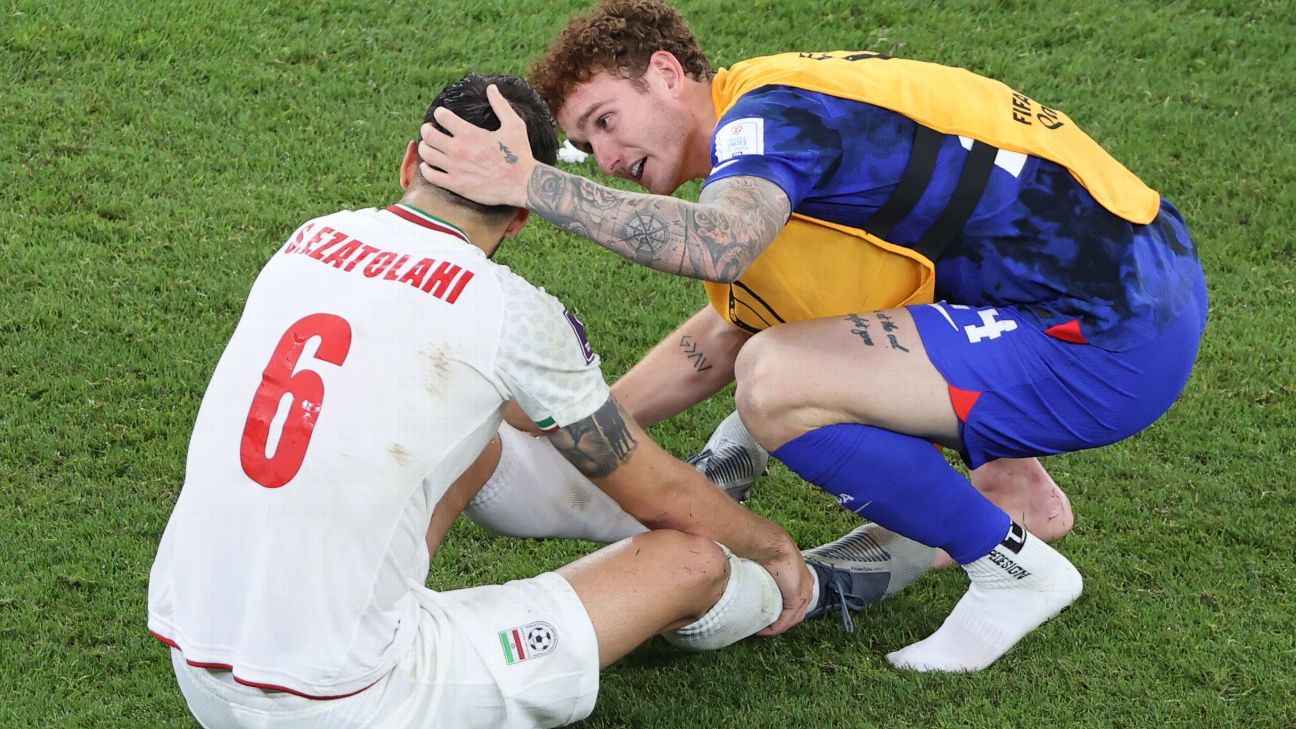
World Cup: Glory or Gutwrench?
Introduction
The roar of the crowd,the electric tension in the air,the unwavering hope radiating from millions of faces glued to screens around the globe.The World Cup.It’s more than just a football tournament;it’s a cultural phenomenon,a global spectacle that grips the world every four years.But beyond the dazzling displays of athleticism and national pride,lies a complex web of short-term highs and potential long-term consequences,a tightrope walk between glory and gutwrench.
We all get swept up in the moment.The office suddenly transforms into a United Nations of football fans,each proudly sporting their nation’s colors.Friendships are forged,rivalries are born,and the collective experience is nothing short of euphoric.This is the short-term glory:the shared joy of victory,the camaraderie,the pure,unadulterated excitement that permeates every corner of society.It’s the kind of feeling that makes us forget,even momentarily,the everyday grind.
But what happens when the final whistle blows?The confetti settles,the stadiums empty,and the world moves on.That’s when the potential gutwrench sets in.The legacy,or lack thereof,of the tournament lingers,often with profound and sometimes problematic consequences.
The Short-Term Highs: Beyond the Beautiful Game
Let’s savor the good stuff.The World Cup ignites a fire in young athletes,inspiring them to pursue their dreams on the pitch.We see spikes in youth football participation,fueled by the heroes they witness on television.Economically,the host nation often experiences a boost in tourism,infrastructure development,and job creation.Local businesses thrive,and the world gets a glimpse of the country’s culture and hospitality.
Think back to South Africa in 2010.While the economic impact was debated,the tournament undoubtedly showcased the nation’s resilience and beauty,fostering a sense of national pride and unity.The iconic vuvuzelas,while grating to some,became a symbol of the African spirit and passion for the game.
The Long-Term Gutwrench: When the Party’s Over
However,the long-term impact isn’t always as rosy.The massive infrastructure investments required to host the World Cup often leave host nations saddled with debt and underutilized stadiums.Remember the “white elephants” of Brazil 2014 – gleaming stadiums that now sit largely empty,monuments to a fleeting moment of glory.
Furthermore,the displacement of communities to make way for stadiums and infrastructure can have devastating consequences for vulnerable populations.The social and economic costs can outweigh the benefits,leaving a legacy of inequality and resentment.
Beyond the financial and social considerations,the focus on football can sometimes overshadow other important societal needs.Resources that could be invested in education,healthcare,or environmental protection are diverted to football,potentially hindering long-term development.
Turning the Tide: From Gutwrench to Growth
So,how can we ensure that the World Cup leaves a legacy of sustainable growth and positive impact,rather than a trail of debt and disillusionment?It requires careful planning,strategic investment,and a commitment to transparency and accountability.Here are a few practical solutions:
- Prioritize Legacy Planning from the Outset:Don’t wait until the tournament is over to think about what comes next.Host nations should develop comprehensive legacy plans that address the long-term use of stadiums and infrastructure.This could involve repurposing venues for community use,converting them into training centers,or even dismantling them and reusing the materials.
- Example:London 2012 Olympics is a good example.Post-games,the Olympic park was transformed into a public park and housing area,offering many facilities to local community members.
- Invest in Sustainable Infrastructure:Focus on projects that benefit the local community beyond the World Cup.This could include improvements to public transportation,affordable housing initiatives,and renewable energy projects.
- Example:Instead of building a brand new stadium,consider renovating existing facilities or building temporary structures that can be easily dismantled and repurposed after the tournament.
- Empower Local Communities:Engage local communities in the planning and decision-making process.Ensure that they benefit from the economic opportunities created by the World Cup and that their rights are protected.
- Example:Implement programs that provide training and employment opportunities for local residents,ensuring they have a stake in the tournament’s success.
- Transparency and Accountability:Demand transparency in all aspects of the World Cup planning and execution,from bidding to construction to legacy management.Hold organizers accountable for their promises and commitments.
- Example:Establish independent oversight committees to monitor spending and ensure that funds are used effectively and ethically.
- Diversify Investment:Don’t put all your eggs in the football basket.Invest in other sectors of the economy to create a more resilient and diversified economy.
- Example:Use the World Cup as an opportunity to promote tourism,attract foreign investment,and develop other industries.
Alternative Approaches: A Menu of Options
There’s no one-size-fits-all solution.Different host nations will need to tailor their approach based on their specific circumstances and priorities.Here are a few alternative strategies to consider:
- Co-hosting:Sharing the hosting responsibilities with neighboring countries can help to reduce the financial burden and infrastructure requirements.
- Smaller Stadiums,Bigger Impact:Instead of building massive stadiums that will be underutilized after the tournament,focus on smaller,more sustainable venues that can be used for community events and local football leagues.
- Focus on Youth Development:Invest in grassroots football programs that will benefit young athletes for years to come.
From Hope to Action: The Power is in Our Hands
The World Cup is a powerful force,capable of inspiring millions and transforming nations.But it’s also a double-edged sword,with the potential for both glory and gutwrench.By learning from past mistakes,prioritizing sustainable development,and empowering local communities,we can ensure that the World Cup leaves a legacy of positive change and lasting impact.
The responsibility lies not only with FIFA and the host nations but with each and every one of us.As fans,we can demand transparency,support responsible development,and advocate for a more equitable and sustainable future for the beautiful game.
Let’s not just cheer for our teams;let’s champion a World Cup that benefits everyone,not just for a fleeting moment,but for generations to come.Let’s transform the potential gutwrench into an opportunity for true and lasting glory.The time to act is now.The world is watching,and the future of football is in our hands.